"Surplus" is the most misunderstood word in used oilfield equipment. It doesn't mean worn out, and it doesn't mean leftover. It means a working fleet has more of something than its programs need — because a district closed, a contract ended, a spread was upgraded or a company changed direction — and good equipment became available. That's where most of the best-value iron in our yard comes from.
Where surplus comes from
- Program changes — a service company exits a line of work and releases the spread.
- Fleet upgrades — new units arrive; the proven ones go to market with their history.
- Consolidation — two fleets merge and duplicate equipment is sold.
- Completed projects — equipment bought for a program that ended.
Surplus vs scrap vs auction
Scrap has reached the end of its life. Auction lots are sold as-is, often sight unseen, with no inspection and no recourse. Surplus bought through a yard like ours is inspected, documented and priced on condition — which is the point of buying it. Our buyer's guide explains how to tell the three apart when the listing doesn't.
What rotates through our surplus yard
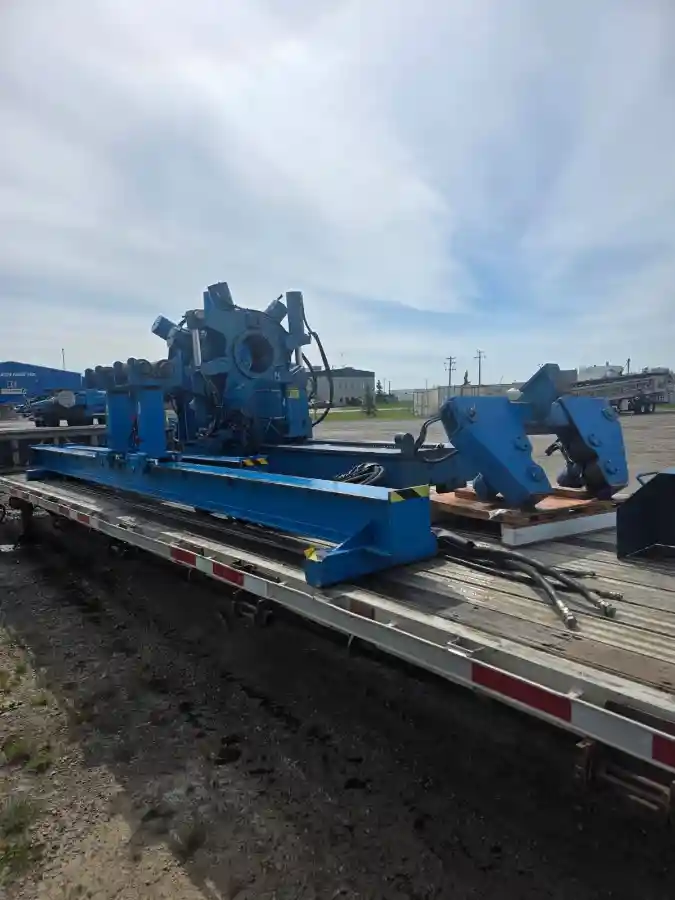
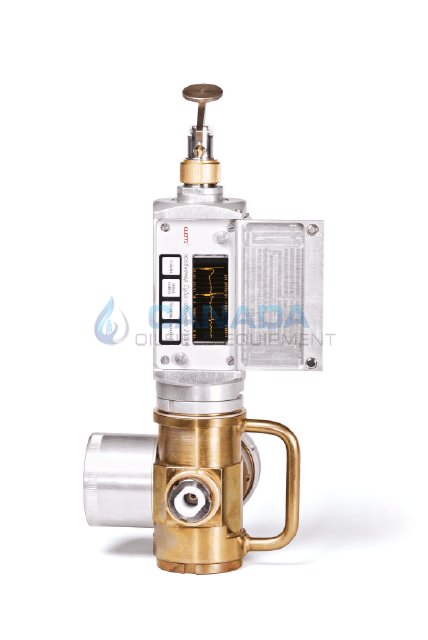
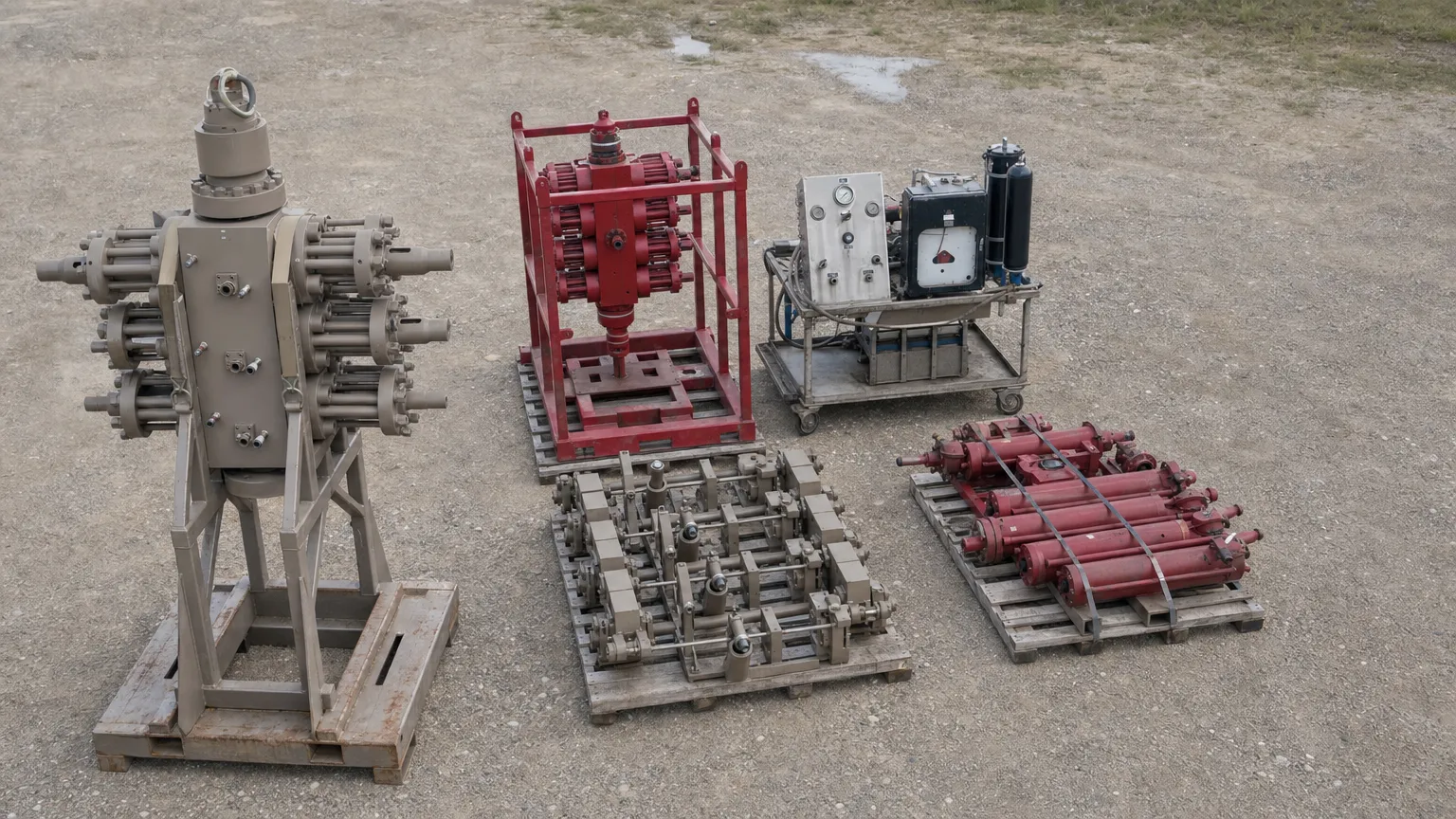
The pieces that complete a spread rather than the spread itself: BOP assemblies and wireline pressure control, measuring heads and logging panels, power swivels, hydraulic breakout units, test pumps, level gauges and freepoint tools. Complete units — hot oilers, rigs, pumpers, wireline and slickline trucks — live in their own categories.
Why it's usually the best value
Because it was bought new for a job, maintained to do that job, and released for reasons that have nothing to do with its condition. You pay for proven equipment at a fraction of new-build cost, with history attached. See the surplus equipment currently listed — and if your own fleet has surplus, we buy it or list it for you.