Swabbing is the oilfield's oldest way of helping a well flow: lift the fluid off it until the formation can do the lifting itself. The machine that does it — a swab unit or swab rig — is a mast, a powered drum of wireline and a set of rubber swab cups. Simple iron, and still working on wells all over the world. Here is what it does, why it works and when it is the right call.
How a swab run works
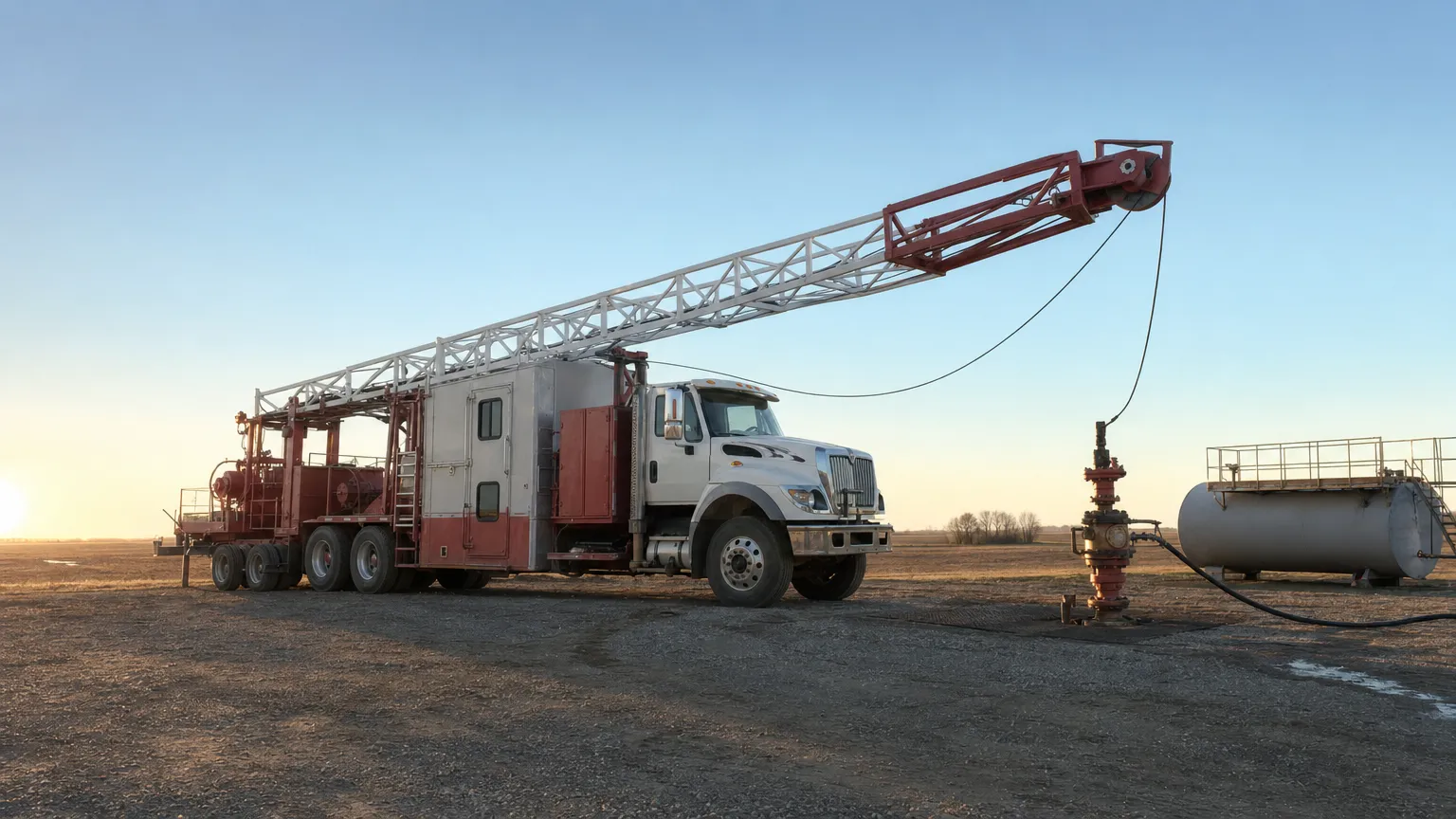
A swab tool string — sinker bars, a mandrel and one or more swab cups — is run into the tubing on swab line through a lubricator at the wellhead. Below the fluid level, the cups collapse and let fluid pass. On the way up they flare out and seal against the tubing wall, so everything above them is carried to surface and out through the flowline to a tank. The depth meter tells the operator where the fluid level is; the weight indicator tells them how much fluid they are lifting. Then the string goes back down and does it again.
Why it brings a well on
A column of fluid in the tubing exerts pressure on the formation. If that pressure is higher than what the reservoir can push against, nothing flows. Swabbing removes column, drops the pressure at the bottom of the well and gives the reservoir a chance to flow or, on a pumping well, lets the operator see what the well will give before the pump goes in.
The jobs swabbing units do
- Kickoffs — bringing new wells and worked-over wells on production after completion fluid or kill fluid has loaded them.
- Fluid level control — swabbing down wells that have loaded up, restoring production without a full workover.
- Well testing — unloading a well and measuring what it produces before committing to a completion or a pump design.
- Cleanouts — pulling fluid and light fill ahead of other servicing work.
Where the limits are
Swabbing works on fluid, not steel. It will not pull rods, tubing or a stuck pump — that is flushby and service-rig work, and our guide to swab rig vs flushby vs service rig draws the line. It also needs pressure control: a rated lubricator, pack-off and, on wells with gas, the right BOP stack, because the cups are coming out of a live well. In winter, methanol injected at the lubricator keeps the line and seals from freezing.
What the unit looks like
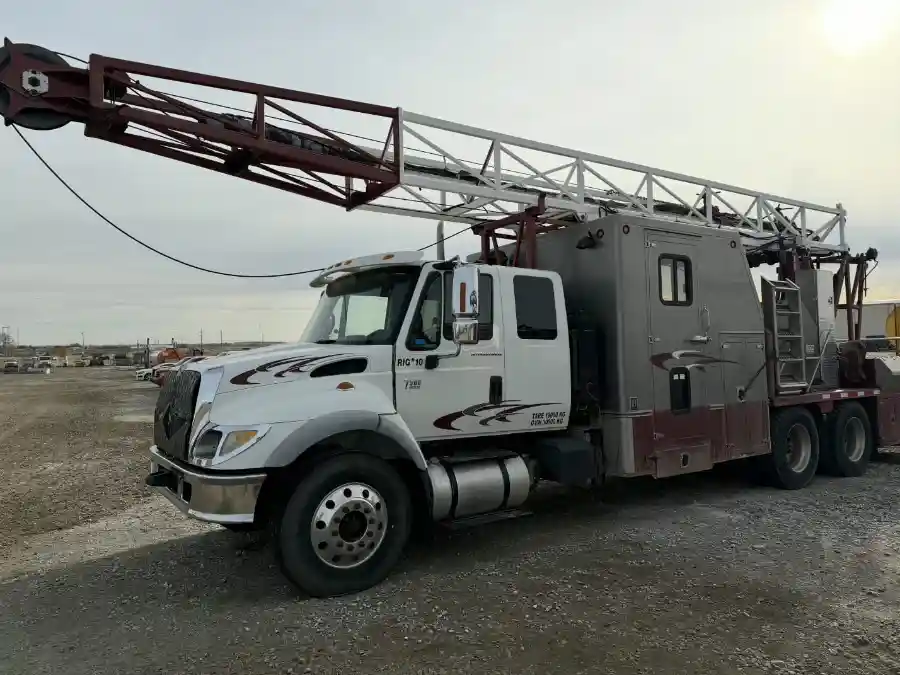
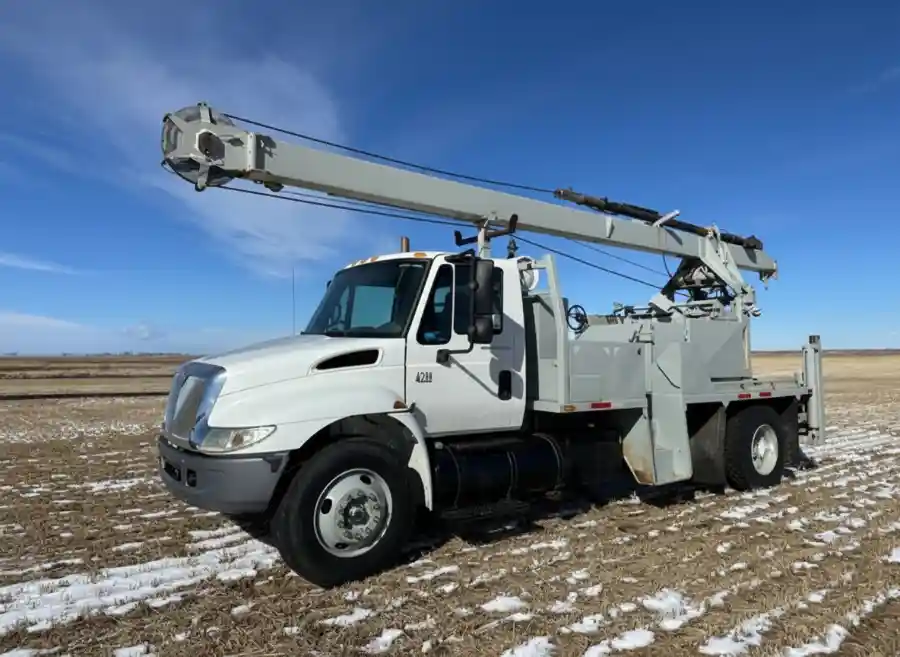
A derrick of 44 to 48 feet, a drum holding 3,000 metres or more of ½" line, a PTO or hydraulic drive, a lubricator and tool string, instrumentation and a hose reel — on a truck, or as a mast unit for your own carrier. The complete rigs are described in our note on swab trucks; the inspection is in the buyer's checklist. See the swab rigs inspected in our Calgary yard and shipped worldwide.